Exotic Vet Near Me: Questions That Confirm Species Experience
Published 2026-10-29 by Viking Trading Group LLC
Find a vet for this
When you search for an exotic vet near me, ask whether the veterinarian who will examine your pet regularly treats that exact species and can manage the concern you have today. Use the questions below to check clinical experience, diagnostic capabilities, referrals, and after hours plans; this guide does not replace an exam.
Key Takeaways
- Ask how often the examining veterinarian treats your pet’s species, not only whether the clinic sees exotic animals.
- Ask for examples of recent cases involving the same species and find out which clinician handled them.
- Confirm the clinic can provide the specific diagnostic testing, procedure, anesthesia, or monitoring your pet may need.
- Board certification can be one sign of advanced training, but it is not the only way a veterinarian gains species-specific experience.
- Ask about referrals, urgent care, and after hours arrangements before an emergency happens.
- Bring a patient history and clear records of diet, enclosure setup, behavior, and recent changes.
What Species Specific Experience Means
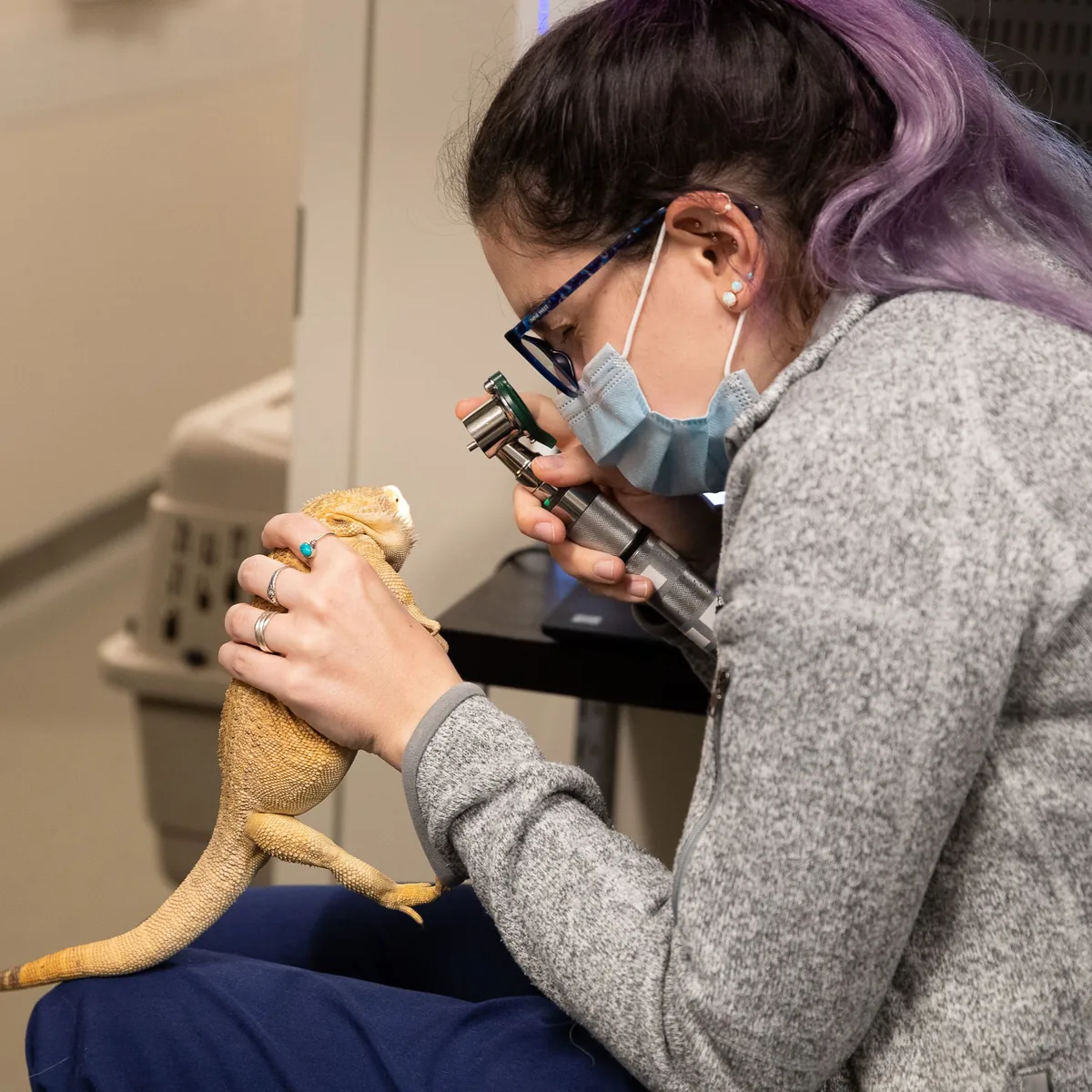
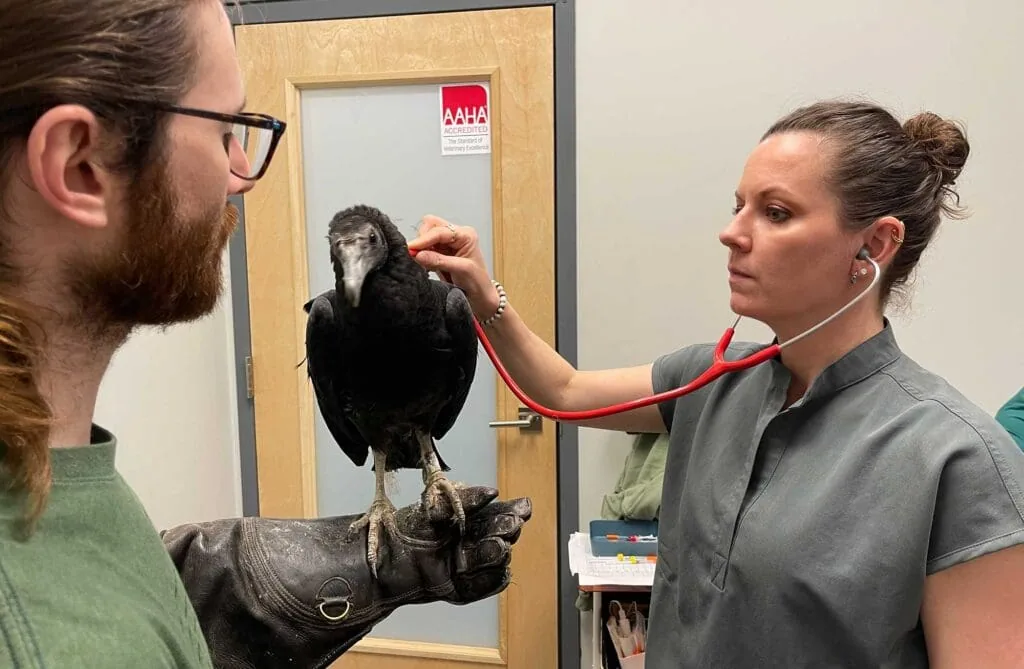
An exotic animal veterinarian may care for birds, reptiles, amphibians, rabbits, rodents, ferrets, fish, and other species. The label “exotic” covers many different animals, so a clinic’s general claim does not establish that a particular clinician has regular experience with your pet.
Ask which veterinarian will see your pet and how often that person treats the same species. If the clinician is unavailable, find out who provides follow up care and whether that veterinarian also has relevant experience.
Request examples of recent cases involving your pet’s species. You do not need confidential patient details; a clear explanation of the kinds of cases the clinician manages, and when they refer, can tell you more than a broad claim of experience.
Additional training and board certification can provide useful information, but they are not the only measures of ability.
For species focused resources, owners can also consult the Association of Avian Veterinarians, the Association of Reptile and Amphibian Veterinarians, and the Association of Exotic Mammal Veterinarians. Membership in an association is not the same as board certification.
Questions to Ask Before You Book
Use these questions on the phone or in an email. Ask for specific answers about the clinician, not only the clinic’s overall services.
| Question | What a useful answer covers |
|---|---|
| 1. Which clinician would examine my pet? | The veterinarian’s name, relevant experience, and who provides care when that clinician is away. |
| 2. How often does that clinician treat this species? | A clear description of recent cases, routine appointments, or the clinician’s role in caring for this species. |
| 3. What concerns do you handle in house? | Whether the clinic can perform the relevant examination, diagnostic testing, treatment, procedure, and monitoring. |
| 4. When do you refer cases elsewhere? | The type of case that triggers a referral, the receiving referral hospital, and how records and test results are transferred. |
| 5. What is your plan for urgent care and after hours? | Whether the clinic accepts urgent cases for this species, who to call when it is closed, and where patients are sent. |
A vague reply such as “we see all kinds of pets” deserves a follow up question. Ask which veterinarian will examine your pet and what similar cases that person has managed.
A referral is not automatically a warning sign. A veterinarian who identifies a case outside the clinic’s equipment, experience, or staffing limits may be making a careful scope of practice decision.
Check Capabilities for Your Pet’s Specific Concern
Species experience matters, but so does the clinic’s ability to address the problem you are booking for. Ask whether the clinic can perform the likely diagnostic testing, imaging, anesthesia, procedure, and species appropriate monitoring, or whether it will refer you to another facility.
For anesthesia, ask how the veterinarian decides whether it is appropriate for your pet, how the team monitors the patient, and what recovery support is available. Medication choices and doses also depend on the species, the animal’s condition, and the reason for treatment, so do not rely on advice intended for a different species.
Ask how the team handles examination and restraint. The details vary by animal, but the clinic should be able to explain how it reduces stress and adapts handling to your pet’s size, behavior, and condition.
Check that the clinic offers the services relevant to your concern. A wellness exam, bloodwork, imaging, surgery, and emergency stabilization require different equipment and staff skills.
Use professional guidance to inform your questions, not to diagnose or treat an animal at home.
Ask About Diet, Habitat, and Preventive Care
Species-specific care includes more than diagnosing illness. Diet and nutrition, enclosure setup, temperature, lighting, water quality, social needs, and behavior can all help the veterinarian understand what is happening.
Ask whether the appointment includes a husbandry review and what details to prepare. Bring the pet’s current diet, feeding routine, enclosure measurements or photos, equipment settings, and notes about behavior or recent changes.
A wellness exam can establish a baseline while your pet appears healthy. Ask how often the clinic recommends routine visits for your species, what preventive care applies, and which changes at home should prompt an earlier appointment.
Clinic advice should fit the individual species and its living conditions. Husbandry recommendations for one animal should not be transferred automatically to another.
Find and Evaluate Nearby Exotic Vets
Start with clinics that identify your pet’s species and the services you need. Our exotic veterinarian directory organizes clinics by location, species, and specialty so you can build a short list to contact.
For reptile owners, the reptile veterinarian directory can help identify clinics that list reptile care. Call to verify current experience with your specific animal, such as a bearded dragon, snake, turtle, or tortoise.
We are an independent directory published by Viking Trading Group LLC in East Longmeadow, Massachusetts.
Board certification and association membership are separate credentials.
After finding possible clinics, check the veterinarian’s license through the state veterinary board. Then call to confirm the species accepted, the clinician who would see your pet, current services, appointment availability, and fees.
Prepare for the First Visit and Estimate Costs
Bring your pet in a secure carrier suited to its species. Ask the clinic whether it wants the animal’s enclosure, a sample, or other materials brought to the appointment, and avoid transporting anything that could compromise the pet’s safety.
Prepare a patient history with the pet’s age, approximate weight, diet, medications, previous diagnoses, and recent changes in appetite, activity, droppings, breathing, or behavior. Photos or short videos can help document a change that may not occur during the appointment.
Typical US planning estimates vary by region, clinic, species, and the tests needed.
| Estimated service | Typical US estimate |
|---|---|
| Exotic animal veterinary consultation | $75 |
| Diagnostic bloodwork, fecal screening, or imaging | $95 |
Ask for an estimate that separates the examination fee from diagnostic testing, medication, treatment, and follow up care.

Plan for Urgent Care and After Hours
Ask whether the clinic accepts urgent cases for your pet’s species and whether it provides emergency care itself or refers patients to an emergency exotic animal hospital. Confirm the receiving hospital’s location, phone number, hours, and the process for transferring records before you need it.
Difficulty breathing, collapse, significant bleeding, or a sudden inability to stand or perch needs prompt veterinary attention. Call the clinic or emergency hospital for instructions, and do not delay care while trying home remedies.
For local options, browse our emergency care listings and call facilities directly to verify which species they accept. A clinic’s general emergency availability does not guarantee it can treat every species or provide every service after hours.
Ask how your regular veterinarian can coordinate with the exotic practice. Request a plan for sharing examination notes, test results, medication details, and referral instructions so each clinician has the information needed for follow up care.
Telehealth may help with initial guidance, but a remote visit cannot replace an in person exam when hands on care or diagnostics are needed. Learn more about telehealth and insurance options, and ask how the veterinarian establishes a veterinarian-client-patient relationship and what care can be provided remotely under applicable state rules.
Clinic Call Checklist
Use this checklist when comparing clinics. Record the answers so you can make a practical choice before your pet needs urgent care.
- Species: Does the clinic see your exact species, not only birds, reptiles, or small mammals as broad groups?
- Clinician: Who will examine your pet, and how regularly does that veterinarian treat this species?
- Experience: Can the clinician describe recent cases involving this species and explain their usual scope of care?
- Services: Are the needed examination, diagnostics, anesthesia, procedure, and monitoring available there?
- Referral: When does the clinic refer, where are patients sent, and how are records transferred?
- Urgent care: Does the clinic accept urgent cases for this species, and where should you go after hours?
- Preparation: What history, diet notes, enclosure details, photos, or samples should you bring?
- Fees: What are the exam fee, likely diagnostic costs, payment options, and follow up charges?
Summary
The best answer to “exotic vet near me” is a clinic that can explain who will examine your pet, how that clinician treats the species, and what the clinic can manage for the specific concern. Ask direct questions about husbandry, diagnostics, referrals, costs, and urgent care, then choose a veterinarian whose experience and services fit your pet’s needs.
Our directory can help you identify verified clinics, but listings and guides never replace an exam. Contact the clinic directly to arrange care and confirm that it can see your pet.
Frequently Asked Questions
Does an exotic veterinarian need to be board certified?
No. Ask the clinic what relevant training the veterinarian has and how they keep their skills current.
Can a regular veterinarian stabilize an exotic pet before a referral?
Possibly. Call before traveling and ask whether the clinic can provide the immediate care your pet needs or direct you to a suitable facility.
What if there is no exotic vet near me?
Search by your pet’s species and widen your distance radius, then call clinics before traveling.
Should I accept a referral if the clinic says it cannot handle my pet’s case?
Often, yes: a referral can connect your pet with care the clinic cannot provide.
Can telehealth diagnose an exotic pet without an examination?
A remote consultation can help you discuss symptoms and decide what care to seek, but it cannot perform a physical examination or in clinic diagnostic testing. Follow the veterinarian’s advice about when your pet needs an in person appointment.
Download the printable PDF: Pre-Appointment Exotic Vet Clinic Vetting Checklist
This guide is general information for pet owners and does not replace an exam by a veterinarian. If your pet is in distress, call a vet now. See our Editorial Policy.