Exotic Pet Insurance: Check Species and Treatment Exclusions
Published 2026-10-29 by Viking Trading Group LLC
Free printable checklist (PDF)
Exotic Pet Insurance vs Discount Plan Comparison Matrix
Download the PDFFind a vet for this
Exotic pet insurance can help with veterinary bills only when your animal, condition, and treatment meet the policy contract. This guide does not replace an exam by a veterinarian.
Key Takeaways
- A species list is a starting point. Ask whether your exact species, any hybrid status, and ownership or permit restrictions qualify, then keep the insurer’s answer in writing.
- Check care one service at a time. Diagnostics, prescriptions, anesthesia, dental treatment, hospitalization, surgery, and specialist care can each have different terms.
- Separate accidents, illnesses, and preventive care. The National Association of Insurance Commissioners describes 3 main pet insurance categories: accident-only, accident and illness, and wellness coverage.
- Read the contract, not only the summary. Definitions, exclusions, pre-existing condition wording, waiting periods, and claim rules can affect reimbursement.
- Compare the financial limits with likely care. Deductibles, reimbursement rates, and annual limits help determine what you may pay yourself.
- Use veterinary guidance for species-specific questions. This guide does not replace an examination or advice from a veterinarian familiar with your animal.
How Species Eligibility Is Determined
Does pet insurance cover exotic pets? Some plans are designed for certain exotic animals, but eligibility depends on the insurer’s definitions and contract. A policy that mentions birds, reptiles, or small mammals may still limit which species within those broad groups qualify.
Write down your animal’s exact species and, if relevant, its hybrid status. Ask the insurer whether permits, local ownership restrictions, the animal’s source, or its housing affect eligibility, and request a written answer before relying on the coverage.
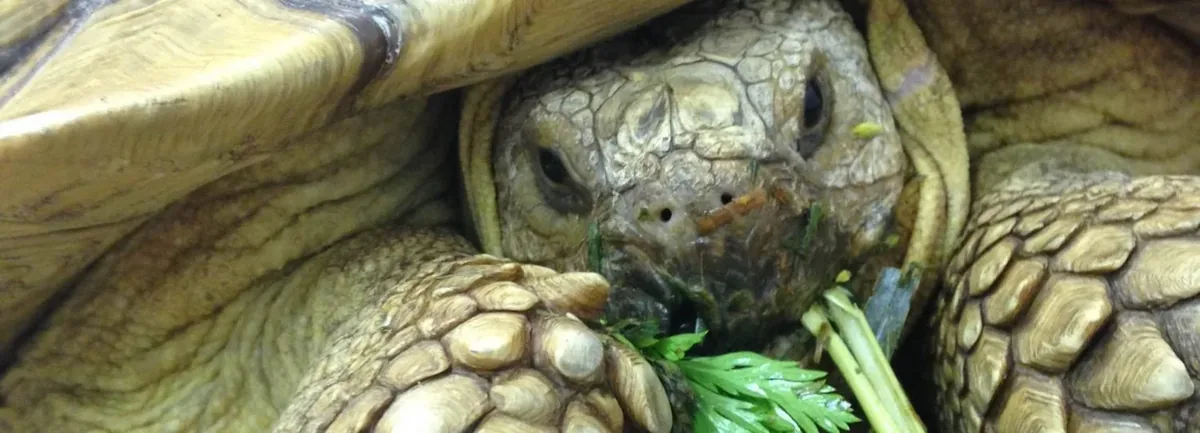

Veterinary use of the term exotic varies by clinical context. For species-specific care information, consult groups such as the Association of Avian Veterinarians, the Association of Reptile and Amphibian Veterinarians, the Association of Exotic Mammal Veterinarians, the American Board of Veterinary Practitioners, and the Merck Veterinary Manual.
A standard dog or cat policy covers exotic animals only when its contract includes them, and a species list in a summary does not guarantee that every animal in that category qualifies. Veterinary medical expense insurance is also separate from liability or homeowners coverage, which may apply different animal restrictions.
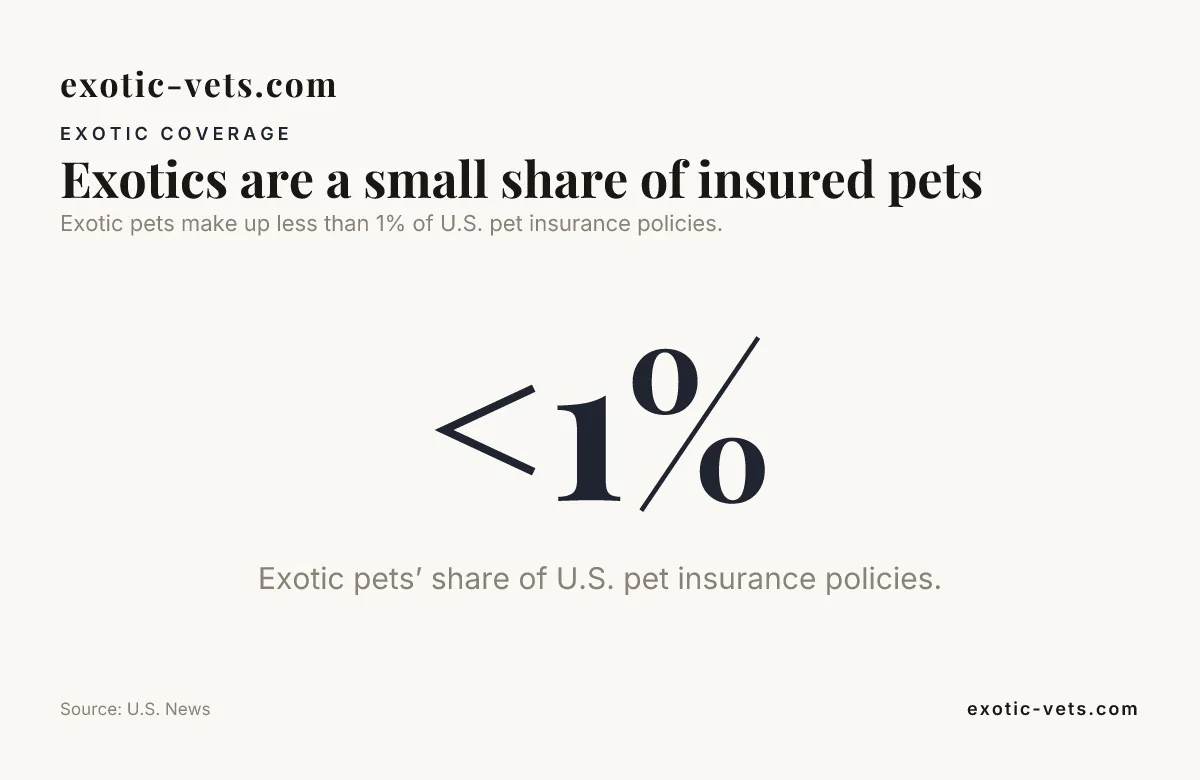
Source: U.S. News
Check Treatment Coverage One Service at a Time
Accident-only coverage generally applies to eligible injuries, while accident and illness coverage is needed for eligible disease treatment. The contract’s definitions and exclusions control, so a broad label alone does not tell you which conditions or bills qualify.
Ask the insurer separately about consultations, diagnostic tests, prescriptions, anesthesia, dental procedures, hospitalization, surgery, and visits with an exotic-animal specialist. Also ask whether hereditary and congenital conditions, species-specific diseases, and recurring or related conditions are covered, limited, or excluded.
Routine examinations, vaccinations, and other preventive care may be handled separately from accident and illness coverage. Ask whether wellness benefits are available and which services they include.
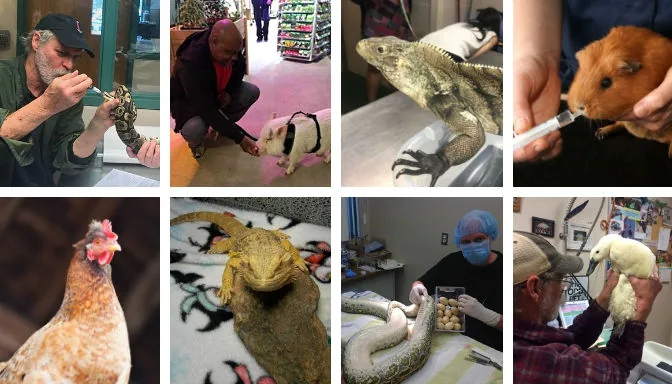
The Nationwide Avian & Exotic Pet Insurance information describes a dedicated policy for birds, reptiles, rabbits, ferrets, guinea pigs, chinchillas, hedgehogs, and amphibians, with reimbursement for eligible accidents, illnesses, diagnostics, and surgeries. It gives owners a starting point for checking those service types, but the contract determines the exact eligibility and exclusions that apply to an animal and claim.
Read Exclusions, Pre-Existing Condition Rules, and Waiting Periods
A pre-existing condition exclusion concerns a condition that existed before coverage under the contract’s definition. A waiting period delays when specified coverage begins, so the same claim can raise two separate questions: whether the condition is excluded and whether coverage had started.
Read how the contract treats symptoms before enrollment, recurring conditions, and problems related to an earlier diagnosis or treatment. If the wording is unclear, ask the insurer for a written explanation of how it applies to your animal’s history.
Look for exclusions tied to species, legality, permits, hybrids, breeding or reproductive care, dental treatment, and living conditions. A listed species does not mean every condition or service for that animal is covered.
Review claim deadlines and required veterinary records alongside the deductible, reimbursement rate, annual coverage limit, and any state-specific terms. These details can affect reimbursement even when the species and treatment are otherwise eligible.
Compare Likely Out-of-Pocket Costs
The following are typical US estimates, not clinic quotes. Costs vary by region and clinic, and the actual bill can depend on the animal’s condition and the care required.
To put numbers on this, our exotic pet insurance cost estimator compares published premiums with posted exotic vet fees and shows the yearly bill at which a policy starts paying for itself.
| Veterinary service | Typical US estimate |
|---|---|
| Routine exotic wellness/physical exam (estimated) | $75 to $145 |
| Diagnostic testing | $100 to $500 |
Each of the broad coverage categories below is intended for a different type of care. A contract may define, limit, or exclude particular services within any category.
| Category | Intended care | What to review |
|---|---|---|
| 1. Accident-only | Eligible injuries caused by an accident | Which events count as accidents and which injury treatments qualify |
| 2. Accident and illness | Eligible accidental injuries and illnesses | Condition exclusions, diagnostic coverage, and treatment limits |
| 3. Wellness | Preventive services described by the contract | Which routine services are included and whether benefits have separate limits |
Reimbursement depends on covered services, the deductible, reimbursement rate, annual limit, and claim rules. A maximum benefit is not the amount an owner will receive for every bill, so compare the policy with the care your species may need and the costs you could pay out of pocket.
Policy Comparison Checklist
- Record your animal’s exact species and any hybrid status. Ask the insurer to confirm eligibility and permit, ownership, or housing restrictions in writing.
- Ask about diagnostics, prescriptions, anesthesia, dental care, hospitalization, surgery, and specialist visits. For each service, request details about limits and exclusions.
- Review contract definitions, exclusions, claim requirements, pre-existing condition wording, waiting periods, deductible, reimbursement rate, annual limit, and state-specific terms.
- Check preventive and wellness care separately from accident and illness coverage. Review liability and homeowners coverage separately from veterinary expense insurance.
- Keep the insurer’s written answers with the policy documents. Ask an exotic-animal veterinarian what kinds of care are relevant to your pet.
None of these guides replace an exam. If your pet needs prompt care, contact a veterinarian rather than waiting to settle a coverage question; our emergency care listings can help you look for an emergency exotic animal hospital.
See also: Reptiles.
Summary
Exotic Pet Insurance by matching your exact animal and likely care to the policy contract, not only a summary or broad species label. Get eligibility answers in writing, compare exclusions and limits with typical US veterinary costs, and ask an exotic-animal veterinarian about care for your pet. Our Exotic Vets directory helps owners find specialized veterinary care, but it does not replace an exam or the insurer’s written terms.
Frequently Asked Questions
What animals are considered exotic pets in veterinary medicine?
The term varies by clinical context and can include birds, reptiles, amphibians, fish, small mammals, and invertebrates. A veterinary practice’s scope of care may be narrower than the term, and an insurer uses its own definitions for coverage.
Does an exotic pet insurance policy cover care from any licensed veterinarian?
Not every policy uses the same provider rules or claim process. Ask whether the plan accepts care from your usual veterinarian, referral specialists, emergency hospitals, and telemedicine providers, and what records or itemized documents each setting must supply.
Can an insurer exclude a condition that appears after the waiting period?
Yes. The policy wording determines whether a later diagnosis is covered.
Are dental care, anesthesia, and reproductive procedures covered for exotic pets?
Coverage can depend on why a procedure is performed and how the contract classifies it. For example, anesthesia may be assessed as part of a surgery claim, while reproductive care may be treated differently when it is elective rather than medically necessary.
Does homeowners insurance cover damage or injury caused by an exotic pet?
Homeowners liability coverage and veterinary expense insurance address different kinds of costs. If an animal injures another person or damages someone else’s property, ask the insurer whether your policy covers that event and whether endorsements or separate liability coverage are needed.
Would insurance have paid for this visit?
Our free calculator compares published exotic pet insurance premiums with real exotic vet fees for rabbits, ferrets, guinea pigs, birds, reptiles, and more.
Try the exotic pet insurance cost estimatorDownload the printable PDF: Exotic Pet Insurance vs Discount Plan Comparison Matrix
This guide is general information for pet owners and does not replace an exam by a veterinarian. If your pet is in distress, call a vet now. See our Editorial Policy.